Start with the process, not the belt
Belt selection begins with a clear description of the process — product, temperature, load, line speed and required belt life. Every downstream decision is anchored here.
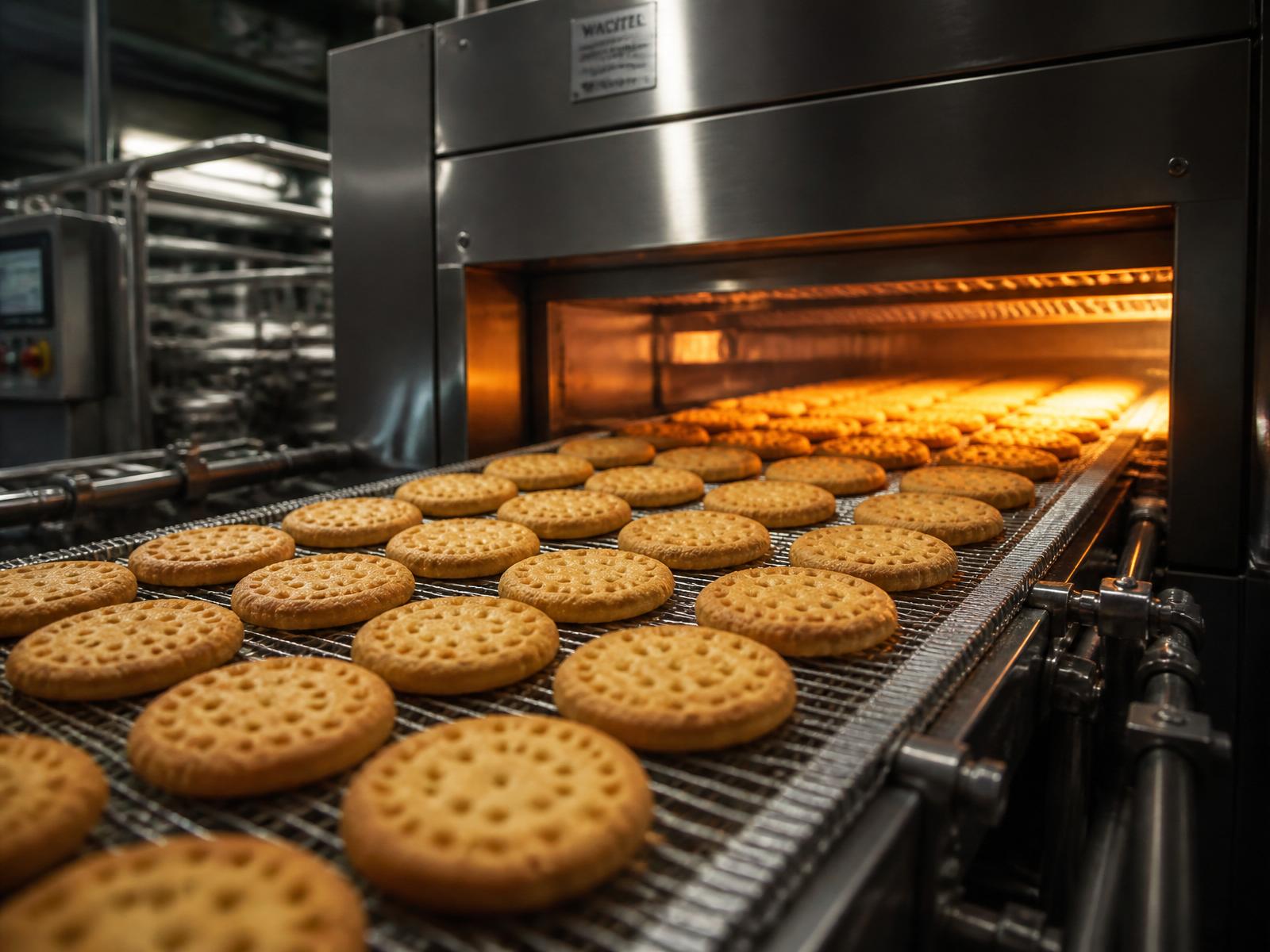
Two questions matter first: what is the product, and what does the line do to it. Baking, cooling, freezing, coating, heat treatment and transfer each dictate a different family of belts.
Pick the family
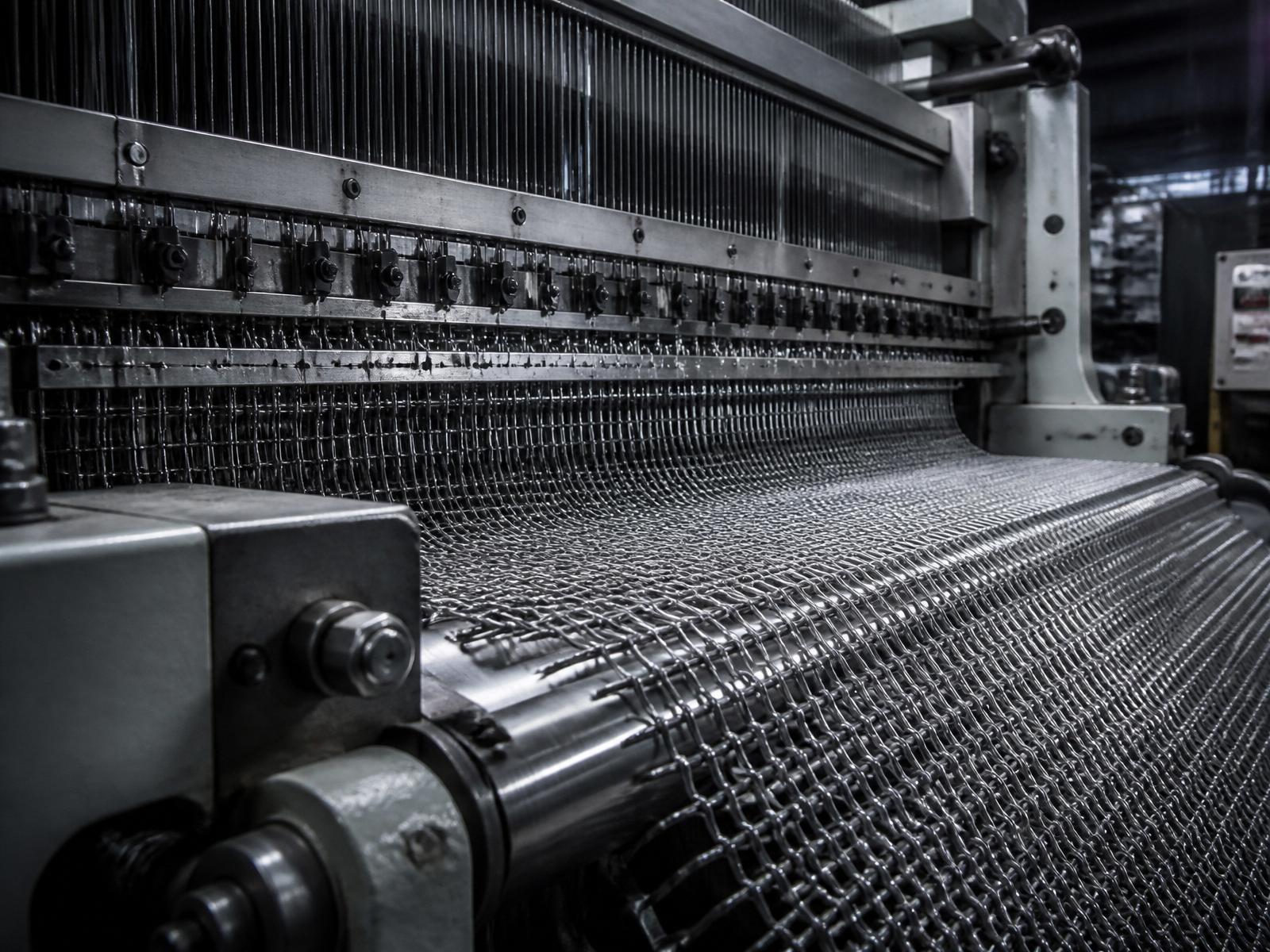
Balanced weave is the versatile default — baking, cooling, drying, general handling. Honeycomb suits small products with a nearly flat surface. Flat wire is the heavy-duty positive-drive belt for continuous ovens. Flat flex is the freezer and coating tunnel belt. Chain-driven is for the heaviest, hottest, longest lines.
Pick the material
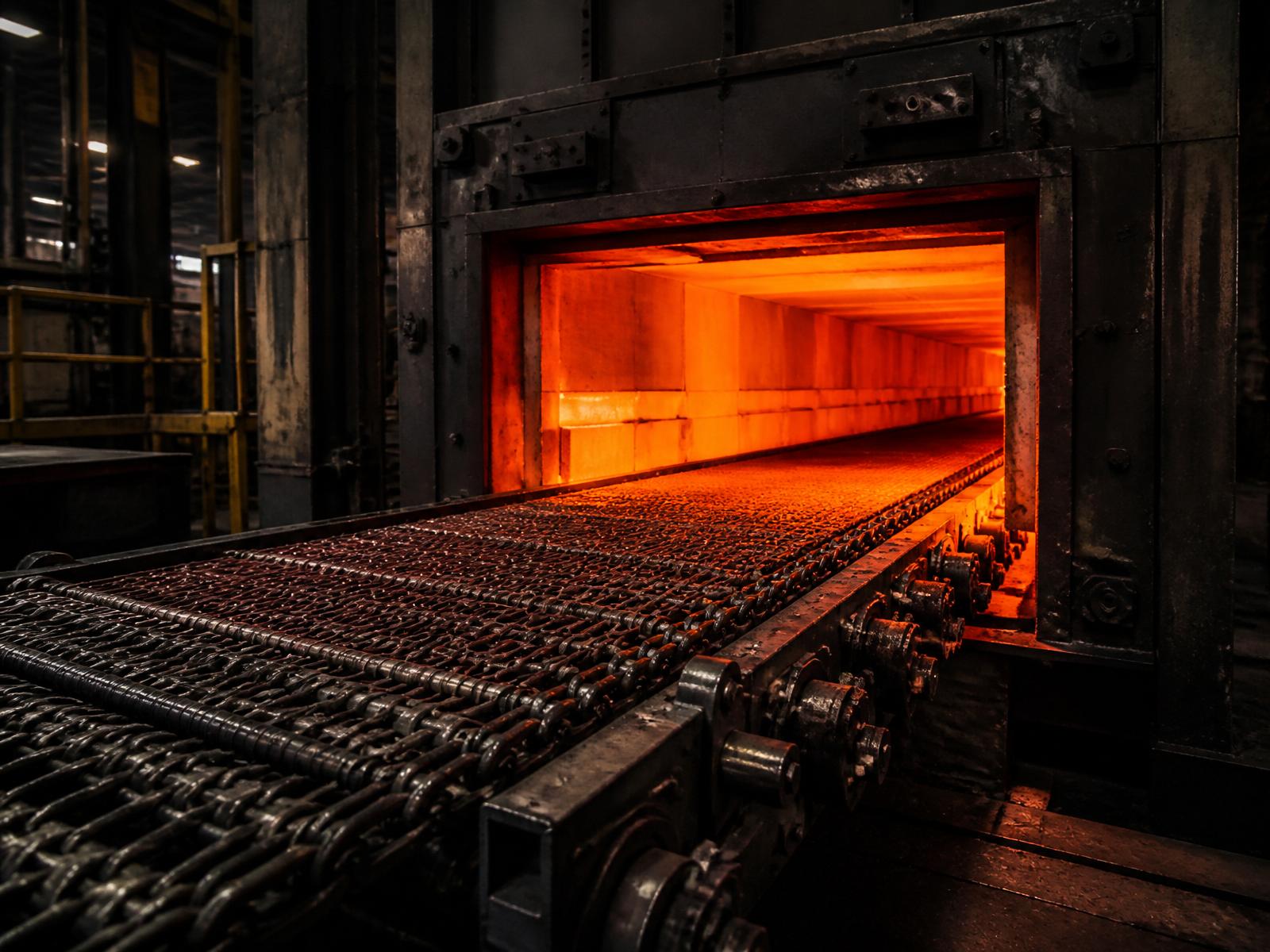
SS 304 is the food-industry default. SS 316 replaces it wherever chlorides, brines or aggressive cleaning are present. SS 314 and SS 310 are for heat treatment, glass and ceramics — 800–1,150 °C service. Galvanised and mild steel are only for dry, non-critical, non-food applications.
Pick the wire diameter and pitch
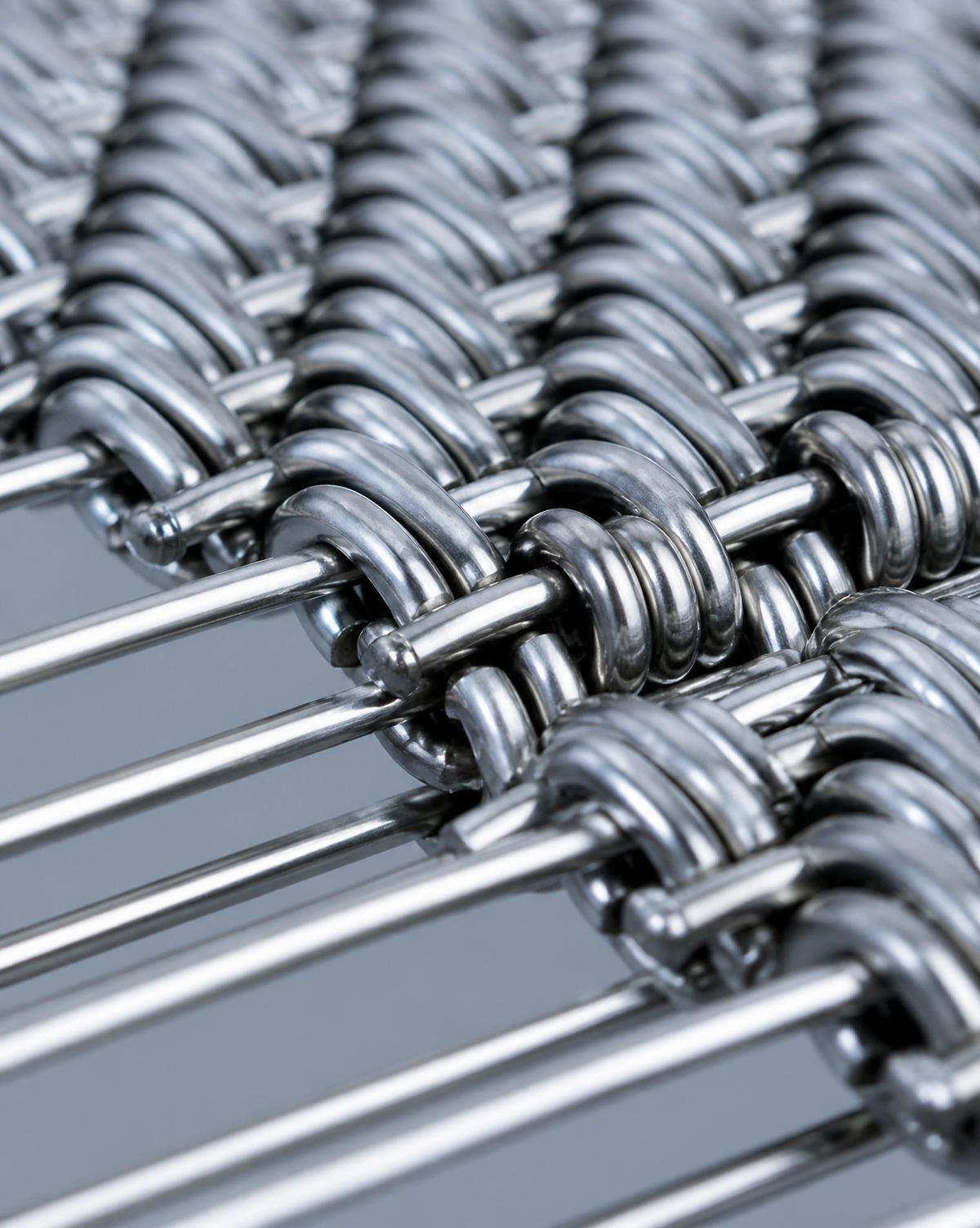
Heavier wire and tighter pitch mean higher tensile strength and lower open area. Airflow, load and product retention all trade off here. Ask the supplier to size the belt against your load and temperature — not against a generic chart.
Pick the edge and drive
Edges are welded, reinforced, chain or clinched. Drives are drum (friction) or sprocket (positive). Positive drive is essential for long belts, high temperature and any application where slip is unacceptable.
Ask for documentation
Any serious supplier should ship the belt with material test certificates (MTC), a quality assurance plan (QAP) and inspection records. If they don't, you are not buying an engineered belt — you are buying a commodity mesh.