
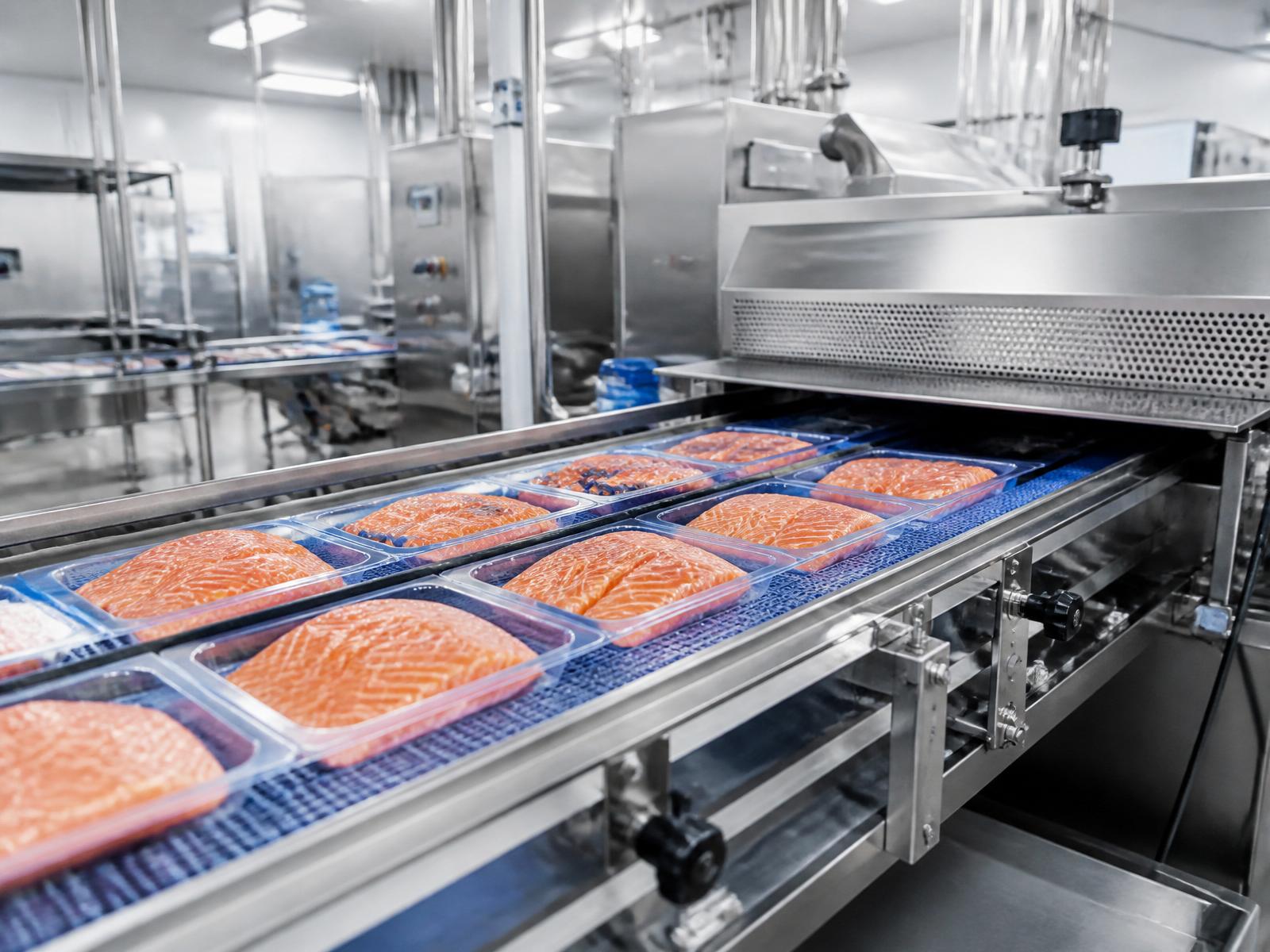
Food Processing
Hygienic, corrosion-resistant belts for continuous food lines.
Overview
Food processing plants run continuously, at variable temperatures, with strict hygiene standards. The conveyor belt is one of the few components in constant contact with the product — and one of the most common causes of unplanned downtime when the wrong belt is specified.
Common challenges
- Continuous operation with limited maintenance windows
- Strict hygiene and CIP requirements
- Wide product range on a single line
- Wet, oily or corrosive environments
- Consistent product presentation for downstream automation
How ACME belts help
The right stainless steel belt provides a consistent, hygienic carrying surface, resists corrosion from cleaning agents, drains cleaning water freely and lasts across many production cycles without dimensional drift.
Typical applications
Frequently asked
Which SS grade should I use — 304 or 316?+
SS 304 for most food applications; SS 316 wherever chlorides, brines or aggressive cleaning are present.
Are your belts safe for direct food contact?+
Yes, in SS 304 or SS 316 with documented material certification.
Can you deliver belts approved for CIP with caustic solutions?+
Yes — our belts are engineered for repeated CIP cycles.
Recommended belts
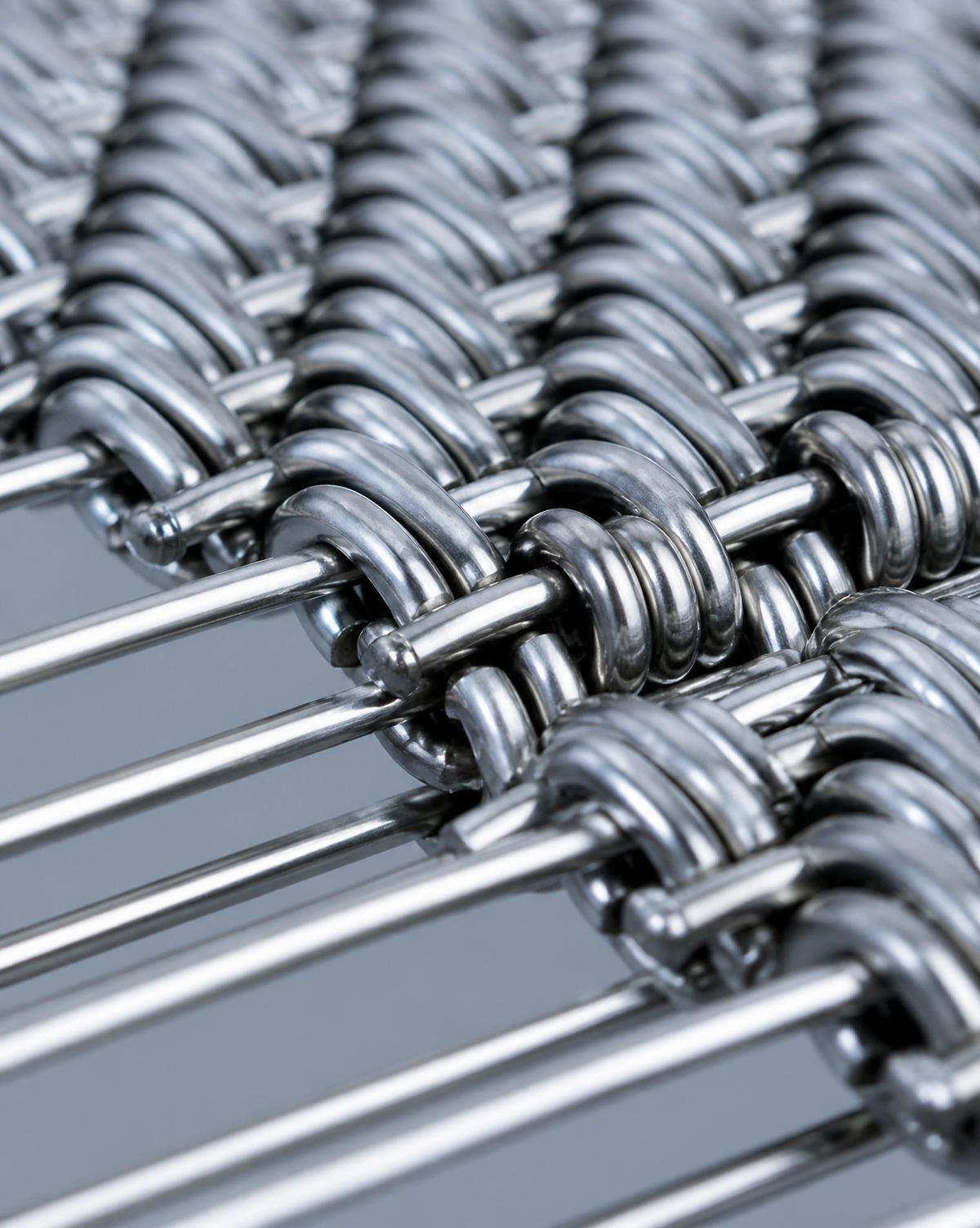 Wire Mesh
Balanced Weave Conveyor Belt
The most versatile wire mesh belt for baking, cooling, drying and general handling.
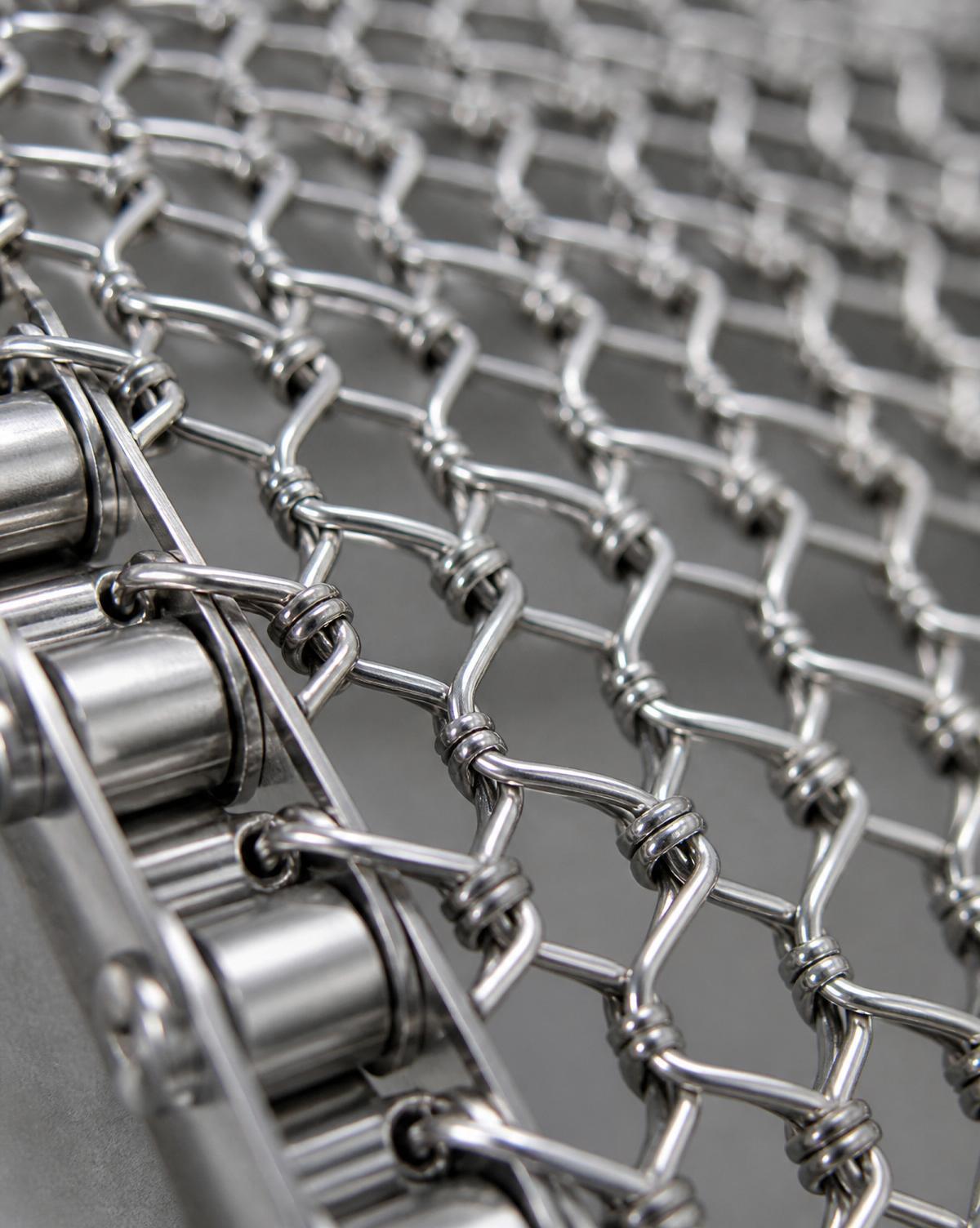 Wire Mesh
Honeycomb Conveyor Belt
Nearly flat carrying surface, ideal for biscuits, cookies and small products.
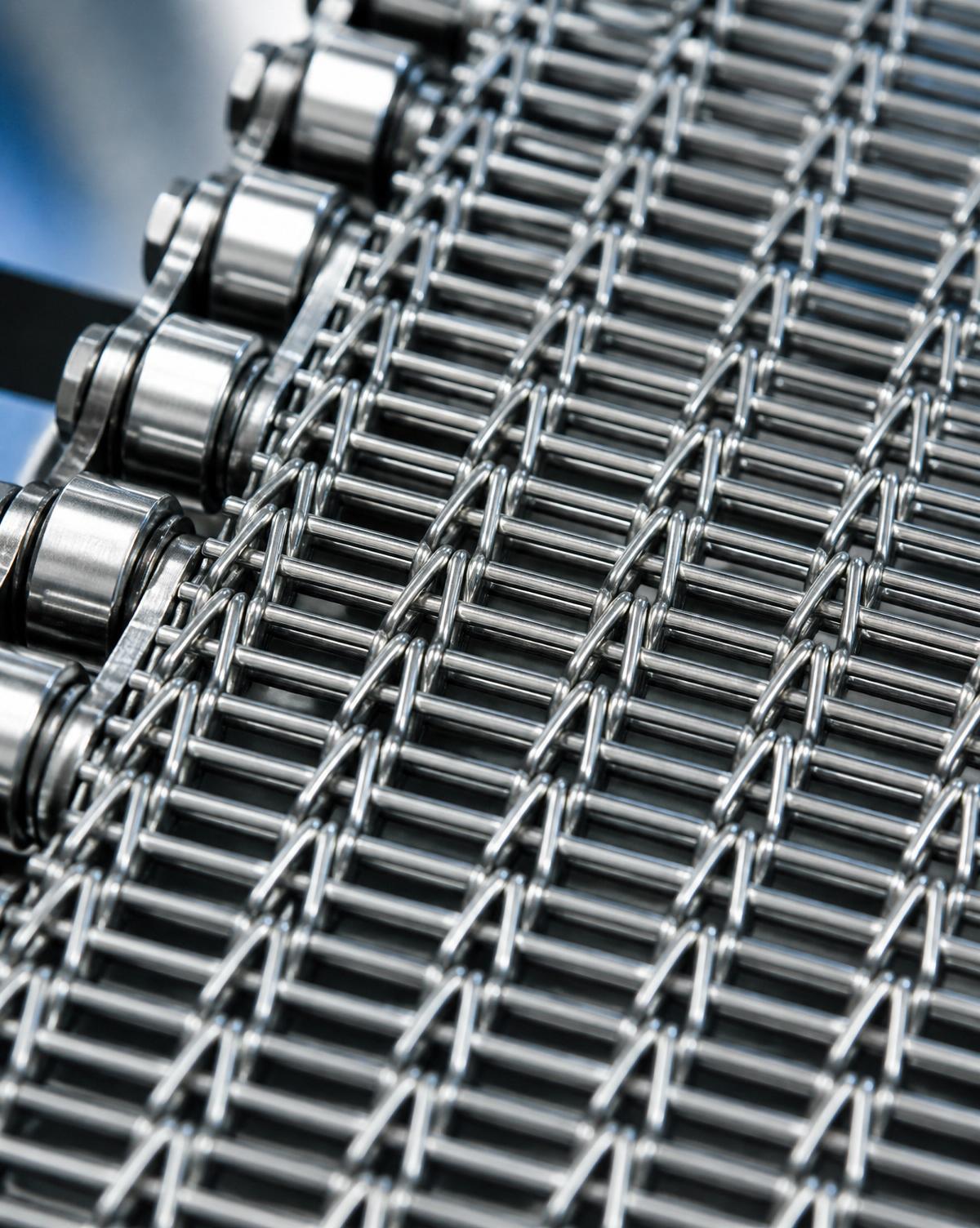 Metal Belt
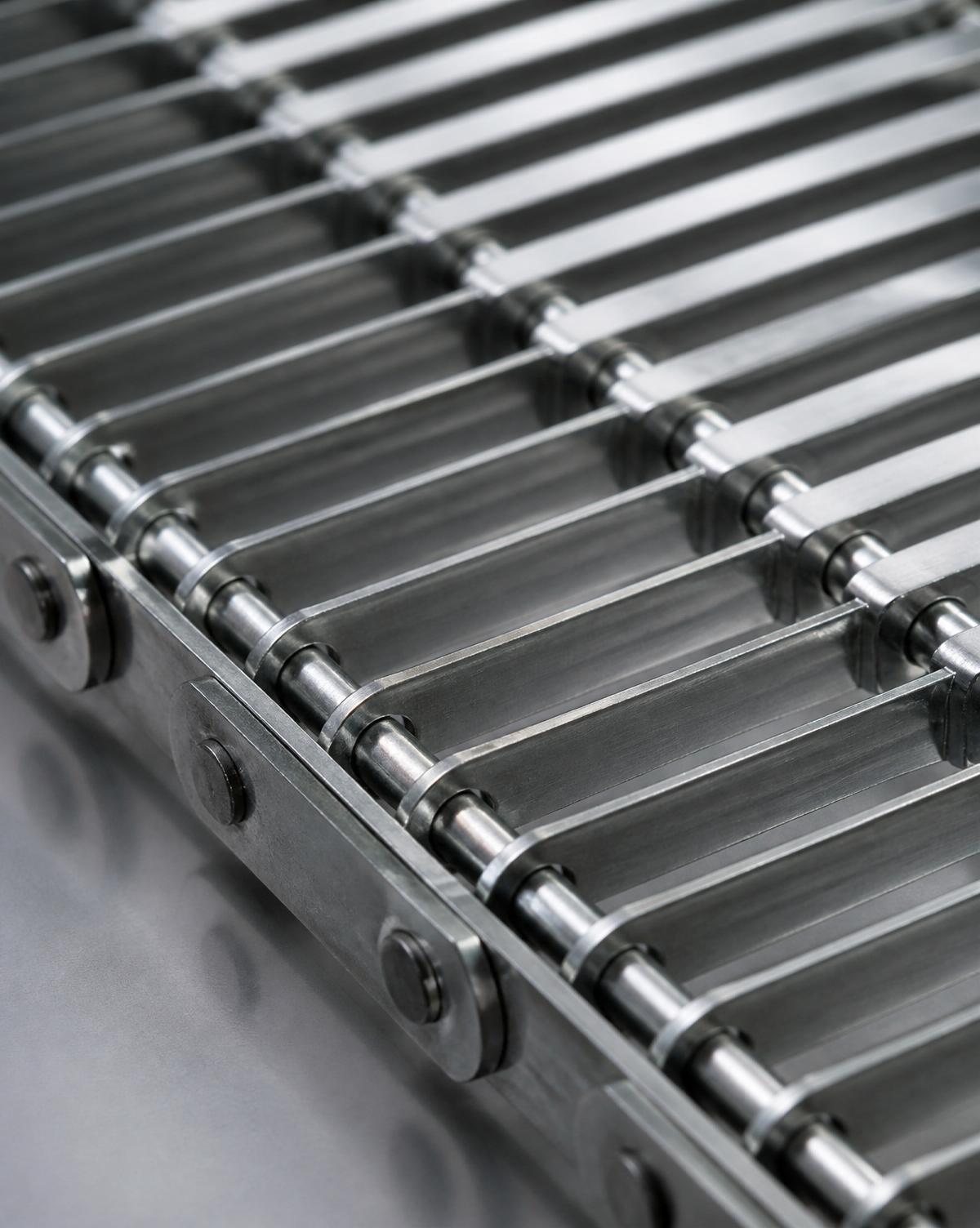
Flat Flex Conveyor Belt
Positive drive belt engineered for IQF freezers, cooling tunnels and coating lines.
 Metal Belt
Flat Wire Conveyor Belt
Positive-drive flat surface belt for heavy-duty ovens, coolers and dryers.
Ready to specify your belt?
Share your line — product, temperature, width, drive. Our engineers respond within 24 hours with a matched belt specification and price.